-
 August 01, 2025Read more
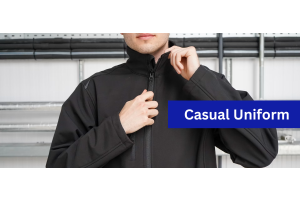
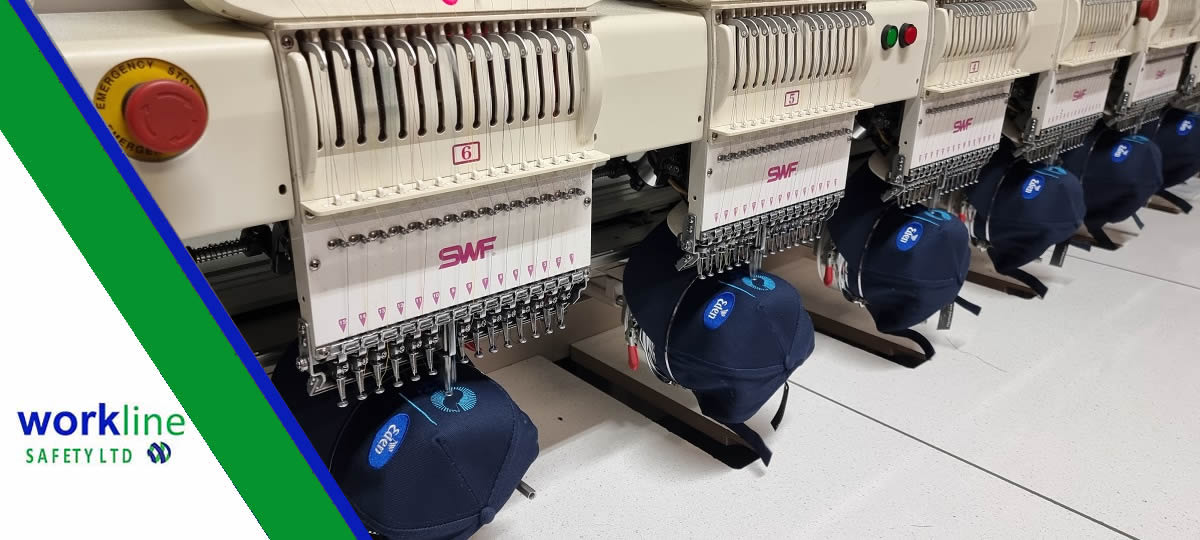
Workwear might be a practical necessity, but that doesn’t mean that it can’t look good! It can serve two purposes – for safety and identity. Branded workwear can be a valuable marketing tool, building a professional business image and helping your staff feel like a ‘real’ team.
Beyond the protective qualities, the way your brand is presented on your team's workwear is so important. It can create trust for customers and help them easily identify your staff, making them feel more secure when your people are working on their property.
Embroidery or Printing?
When you decide to get your workwear branded, you then have to decide how you want to apply your logo and branding. The two main choices are embroidery and printing. Both methods offer advantages, and the "best" choice depends on your specific needs, the garment type, your design's complexity, and your desired end look.
Embroidery
Embroidery
-
 July 01, 2025Read more
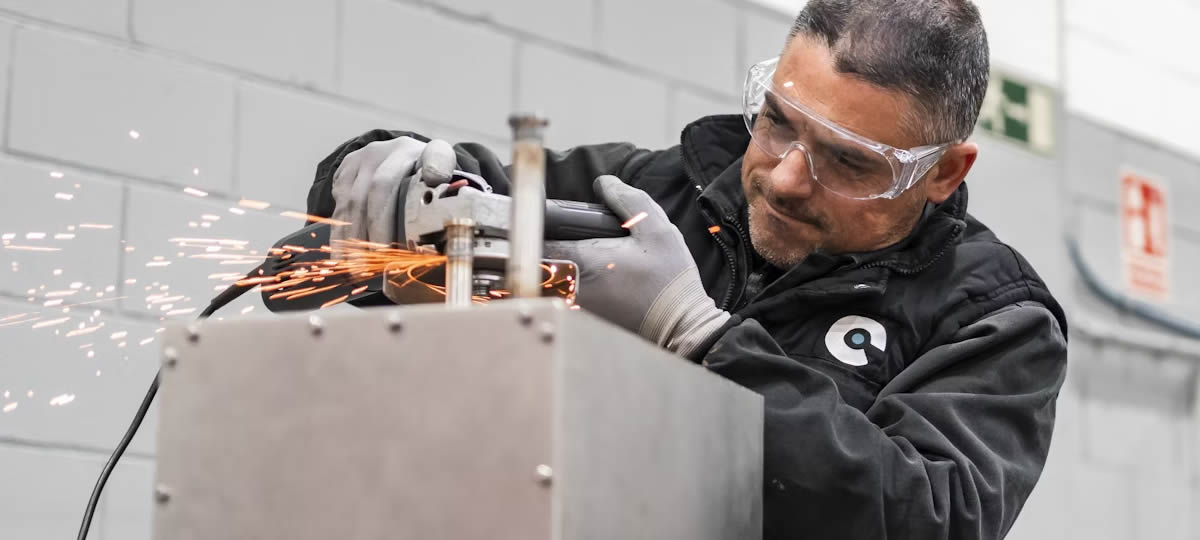
Eye protection is not just about compliance; it's about safeguarding your sight. An eye injury isn’t just a minor inconvenience; it can seriously impact an individual's quality of life, and their career.
In the workplace, eyes have to be protected from impact, splashes from hazardous substances, dust and fumes, heat, and even UV and IR light. That’s why choosing the right eye protection isn't ‘one-size-fits-all’. You need to consider the specific hazards present in your work environment and choose the right protective eyewear to suit.
For industries operating in the UK, it's important to look for products compliant with EN166. This is the European standard that specifies requirements for personal eye-protection, covering aspects like optical quality, field of vision, and crucially, resistance to various hazards including impact. Many quality safety glasses will also boast features like anti-mist coatings to prevent fogging in varying temperatures and anti-scratch
-
 May 30, 2025Read more
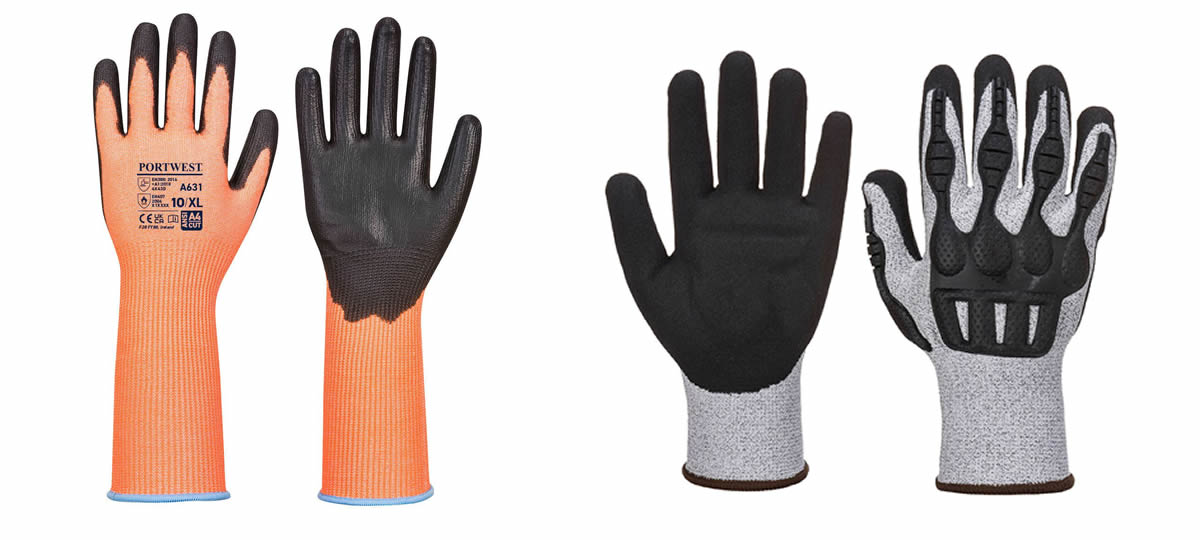
The Occupational Safety and Health Administration, OSHA, estimates that 71% of all hand injuries could be prevented with the appropriate use of PPE safety gloves. In some industries, like construction, manufacturing, food processing and waste management, hands are constantly exposed to sharp objects and materials. Without adequate protection, cuts, lacerations, and even amputations can occur, leading to significant injury, lost time, and increased costs. This is where cut-resistant gloves become an indispensable piece of PPE.
At Workline Safety, we understand the critical importance of keeping your hands safe. Our extensive range of cut-resistant gloves is designed to offer superior protection without compromising on comfort or dexterity. But with so many options, how do you choose the right glove for the job? The key lies in understanding the science
-
 May 01, 2025Read more
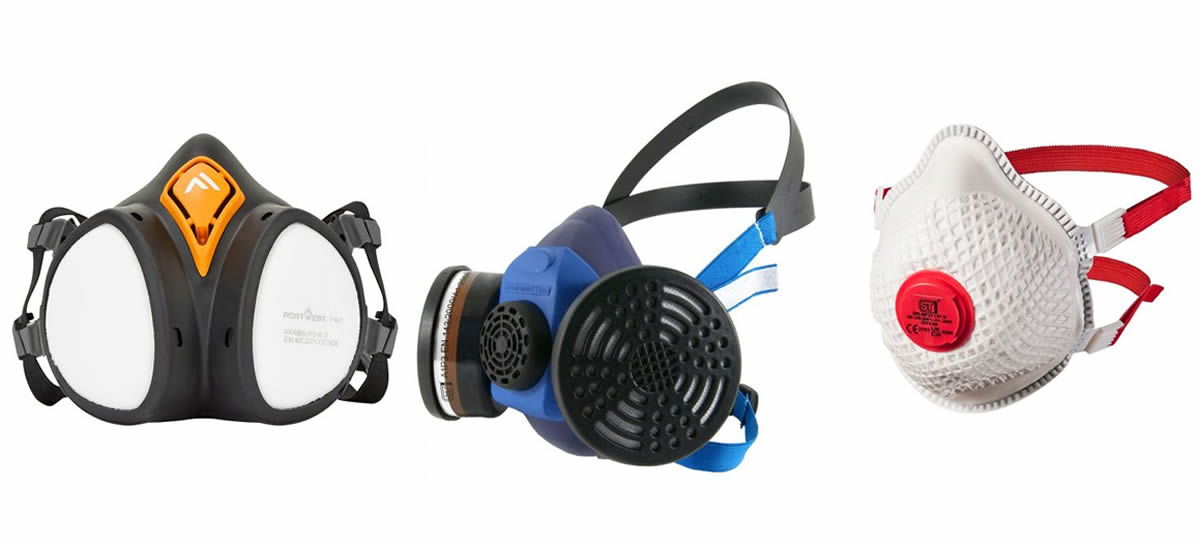
From construction and carpentry to agriculture and pharmaceuticals, exposure to airborne particles and dust poses significant health risks. Protecting your respiratory system is crucial, but not all dust masks are created equal. Choosing the right type for the specific task and hazard is essential for effective protection.
There are so many different categories and classifications of dust masks, that it can be overwhelming understanding why you should choose one over another, so we’ve provided a brief overview of the key differences to help you make the best choices.
Levels of Protection with Disposable Masks
Disposable and semi-disposable respirators are the most common type of dust mask in PPE and are designed to filter out airborne particles as you inhale. They are classified based on their filtration efficiency against different sizes and types of particles. The European
-
 April 01, 2025Read more
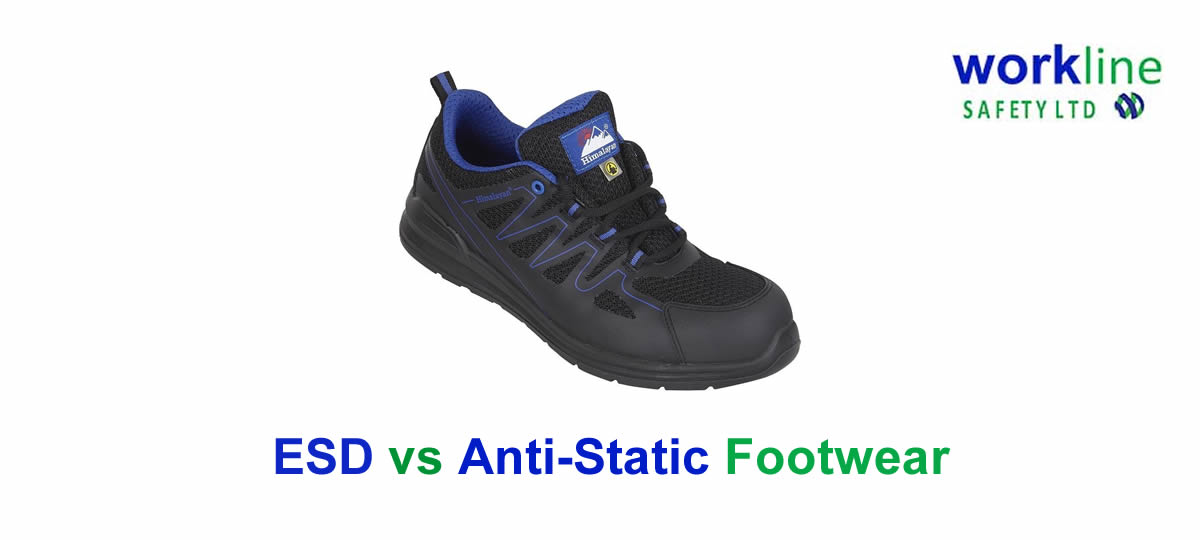
When you are shopping for your next pair of safety footwear, you will often see the terms "ESD" and "anti-static" being used in the descriptions, but do you know what they mean? While they both relate to managing electricity, they're not interchangeable. Let's break down the key differences between ESD and anti-static safety footwear.
Anti-Static Footwear Minimises Charge Buildup
Anti-static footwear typically has a moderate level of electrical resistance. It is also designed to reduce the buildup of static electricity on the body. It allows static charges to dissipate slowly and safely, preventing sudden, uncontrolled discharges.
- How it works: Anti-static footwear allows charges to flow through the sole to the ground at a controlled rate, preventing a large static buildup. It protects you from injury from medium levels of electricity (usually between 0.1 and 1000 MO).
- Purpose:
-
 March 03, 2025Read more
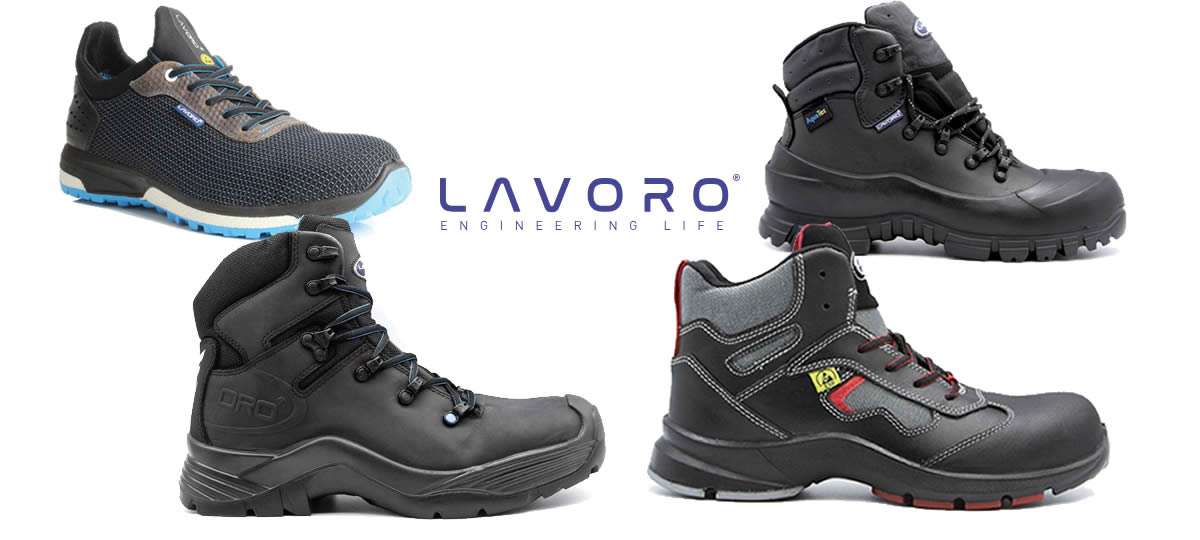
Introducing Lavoro Safety Footwear
Workline Safety is excited to announce the arrival of a new range of high-performance safety footwear from Lavoro. Renowned for their innovative designs and uncompromising safety standards, Lavoro boots and shoes are built to keep your feet protected and comfortable on even the toughest jobs.
Who is Lavoro?
Based in Europe since 1988, Lavoro is known for its high-quality safety footwear designed for both men and women. With a focus on comfort, safety, and style, each pair of Lavoro safety footwear is handcrafted to the highest standards.
Why Choose Lavoro?
- Unmatched Safety
Lavoro footwear meets and exceeds all relevant safety standards, including EN ISO 20345, offering protection against impact, penetration, and abrasion. - Superior Comfort
With their ergonomic designs and advanced cushioning
- Unmatched Safety
-
 January 08, 2025Read more
Happy 2025! As we head into the new year, we thought it was a good time to look at what changes the workwear industry is set for in the year to come. We predict a focus on comfort, safety, and sustainability – all largely due to the advancements in technology throughout the industry.
For instance, in work gloves, there are thinner and more dextrous cut gloves now on the market which are very popular with our customers. Workwear fabrics are also improving, allowing for advancements such as lightweight safety footwear that doesn’t compromise on performance.
But that’s just the beginning - here are some key trends to watch for:
1. Sustainable and Ethical Sourcing:
- Eco-Friendly Materials: We expect to see a continued focus on workwear made from sustainable materials like organic cotton, recycled polyester, and Tencel.
Fair Labour Practices: We also predict that our customers will continue
- Eco-Friendly Materials: We expect to see a continued focus on workwear made from sustainable materials like organic cotton, recycled polyester, and Tencel.
-
 December 02, 2024Read more
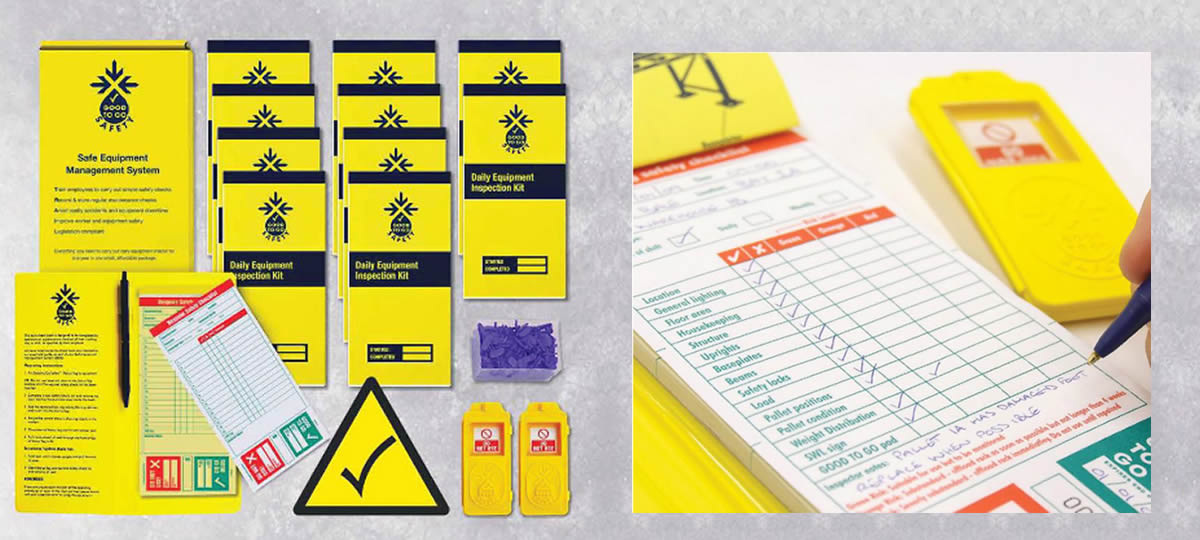
Good to Go Safety is a simple but powerful system that helps you keep track of your equipment safety inspections. With their easy-to-use checklists, you can quickly and efficiently inspect and track a wide range of equipment, from forklifts to ladders to scaffolding.
Regular equipment inspections are crucial for preventing accidents and ensuring compliance with safety regulations. By spotting potential issues early on, you can take corrective action before they escalate into bigger problems. This not only saves you money on costly repairs and downtime but also protects your employees and your business.
How Does It Work?
- Quick and Easy Inspections
Good to Go checklists are designed to be user-friendly, so even non-experts can conduct thorough inspections. - Visual Confirmation
Once an inspection is complete, a durable status tag is attached to the equipment. This tag clearly indicates the inspection date and any issues found. - Peace
- Quick and Easy Inspections
-
 November 14, 2024Read more
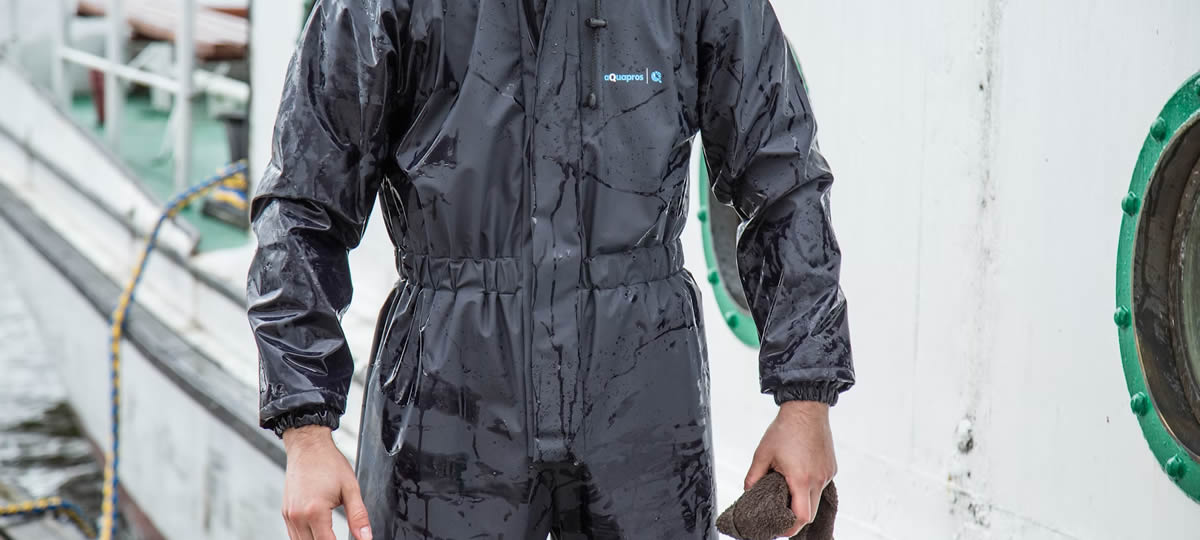
Workwear isn't just about looking professional; it's about staying protected, especially when the elements are against you. Waterproof workwear is essential for outdoor jobs, ensuring you stay dry, comfortable, and productive, no matter the weather. But how do you know which level of waterproof protection is right for you?
Understanding Waterproof Ratings
EN343 is the European standard for protective clothing against rain. It classifies garments based on their waterproofness (protection against rain) and breathability (moisture permeability).
Protection against rain:
- Class 4: Highest level of protection, suitable for extreme weather conditions.
- Class 3: High level of protection, suitable for heavy rain and wind.
- Class 2: Medium level of protection, suitable for moderate rain and wind.
- Class 1: Lowest level of protection, suitable for light rain showers.
Moisture -
 November 01, 2024Read more
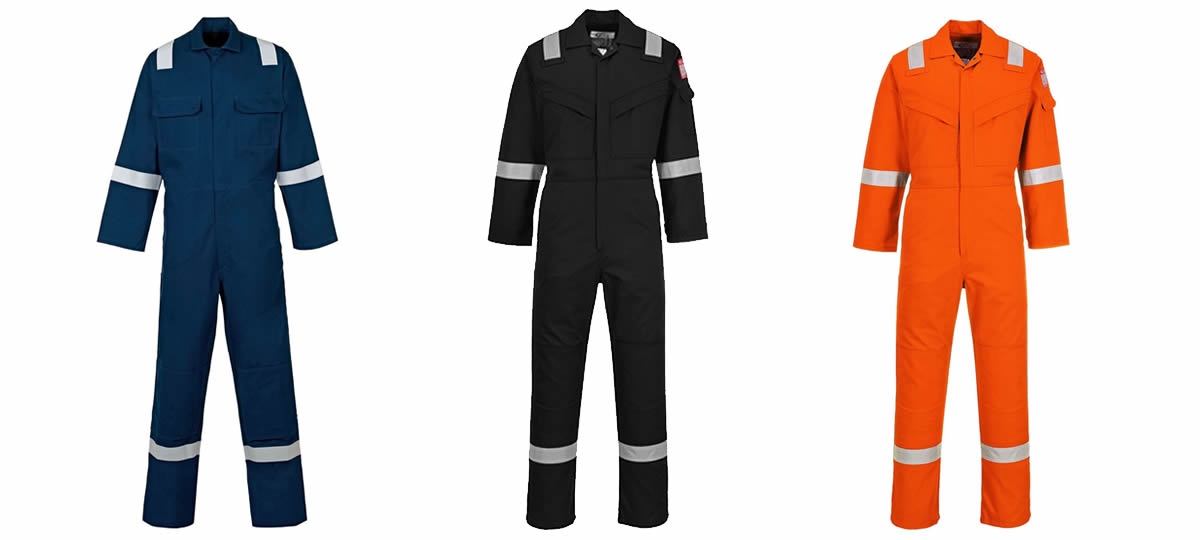
Keeping your workers safe on the job is critical, especially when working in environments with fire hazards. For welders, flame retardant boilersuits are an essential piece of PPE. However, with different classes available, choosing the right one can be confusing. So here’s a quick guide from the Workline Safety team to help you make the right choice.
The Breakdown: Class 1 vs. Class 2 Boilersuits
Flame retardant boilersuits come in two main classes, each offering a different level of protection:
- Class 1: Designed for less hazardous welding activities with low heat and minimal metal splashes. These suits are ideal for cutting, light grinding, and welding activities that don't involve high heat or frequent exposure to molten metal.
- Class