-
 October 06, 2026Read more
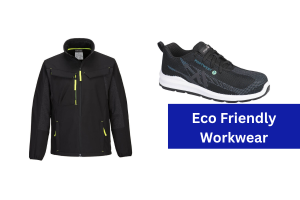
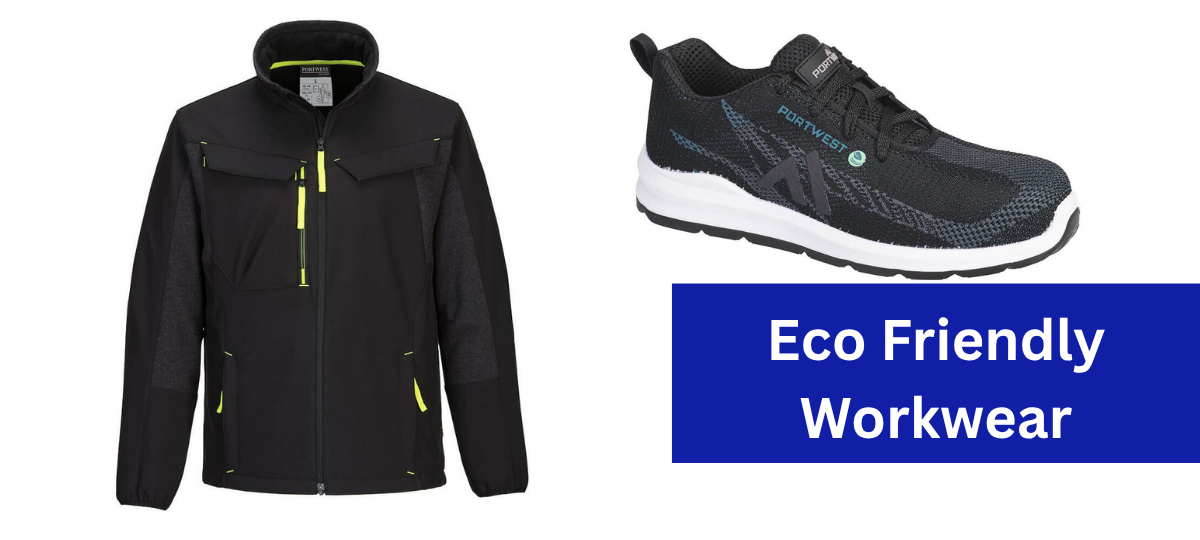
Across construction, logistics, manufacturing, and trade industries, businesses are looking closely at their environmental footprint. While reducing fuel consumption and minimising waste have long been top priorities, one area that was overlooked is now becoming a priority - what your team wears every day.
At Workline Safety, we are seeing a shift across top UK safety suppliers. Manufacturers are pioneering high-performance, eco-friendly workwear that sacrifices nothing when it comes to durability, compliance, or comfort.
To help your business meet its sustainability goals, we are expanding our eco-friendly collection with exciting new sustainable lines.
What Makes Workwear "Eco-Friendly"?
Modern eco-friendly safety gear is engineered to reduce environmental impact while standing up to the demands of tough working environments:
-
 September 17, 2026Read more
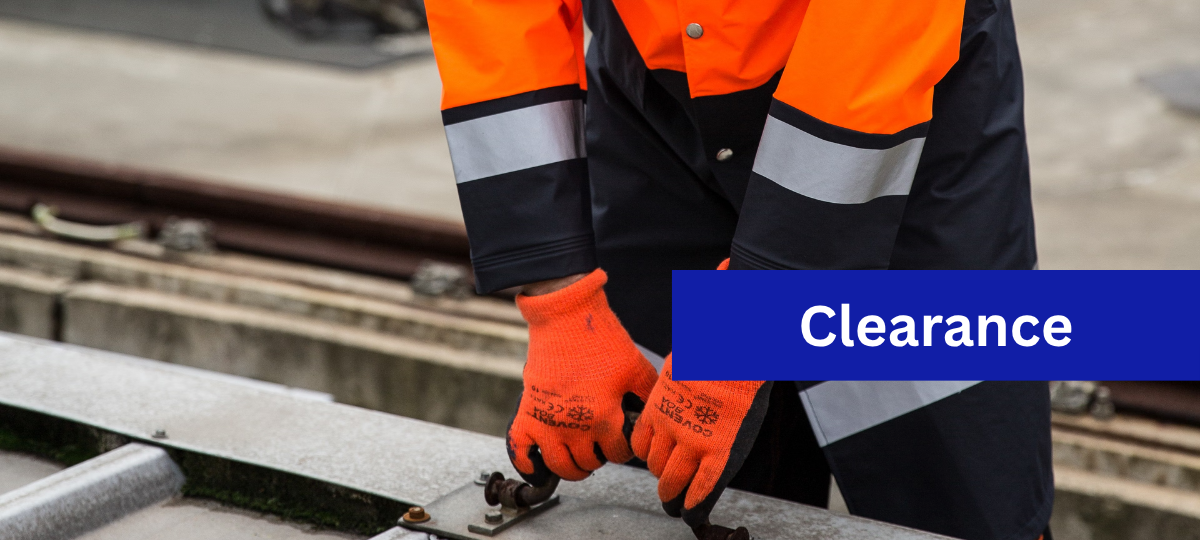
Keeping your team safe, comfortable, and compliant doesn't have to blow your budget.
Visit our Special Offers section for top-tier gear from leading industry brands like Portwest, Tuffstuff, Beechfield at unbeatable prices. Our clearance section lets you grab premium safety equipment before stock runs out.
What’s in the Workline Safety Clearance?
Our clearance range updates regularly, offering steep discounts across key safety and workwear categories including:
- Heavy-Duty Outerwear & Jackets
- Work Trousers & Workwear
- Safety Footwear
-
 August 14, 2026Read more
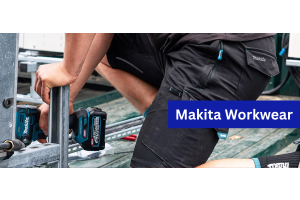
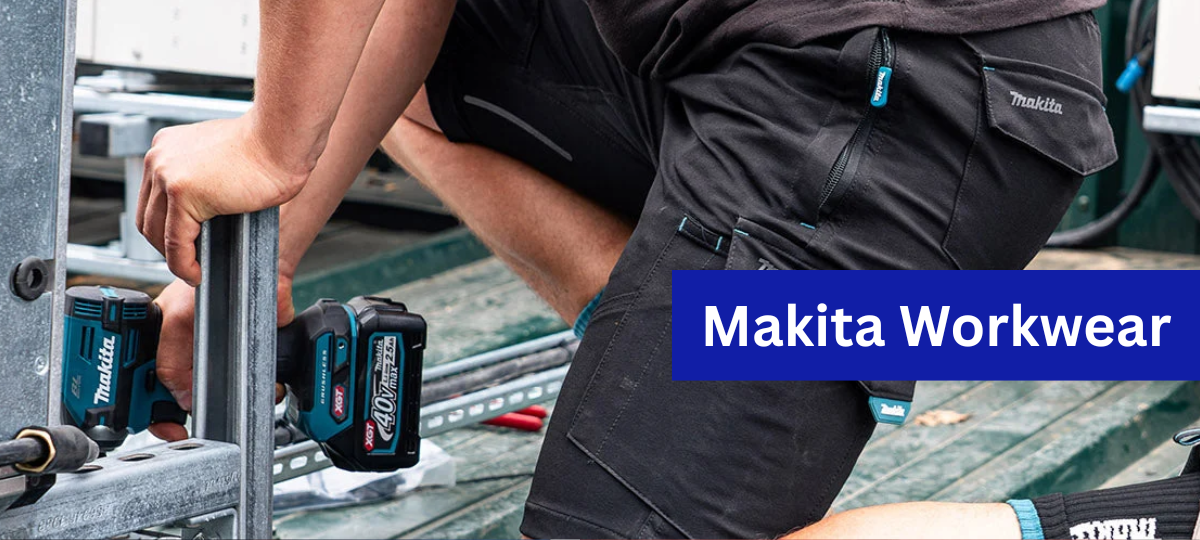
When you hear the name Makita, the first thing that comes to mind is industry-leading power tools. For decades, tradespeople and contractors across the UK have trusted Makita’s teal-and-black tools to get the job done.
Now, Makita is bringing that same engineering mindset and heavy-duty durability to professional clothing with the launch of the Makita Workwear Range, now available at Workline Safety.
The wrong workwear can slow you down just as much as a failing tool. Clothes that tear at the joints, lack flexibility, or fail to protect against cold, wind, and rain reduce productivity on site.
Makita designed their new garment line with the real-world demands of modern worksites in mind. The new Makita apparel delivers:
- Built-in Mobility & Stretch
Designed with
- Built-in Mobility & Stretch
-
 July 14, 2026Read more
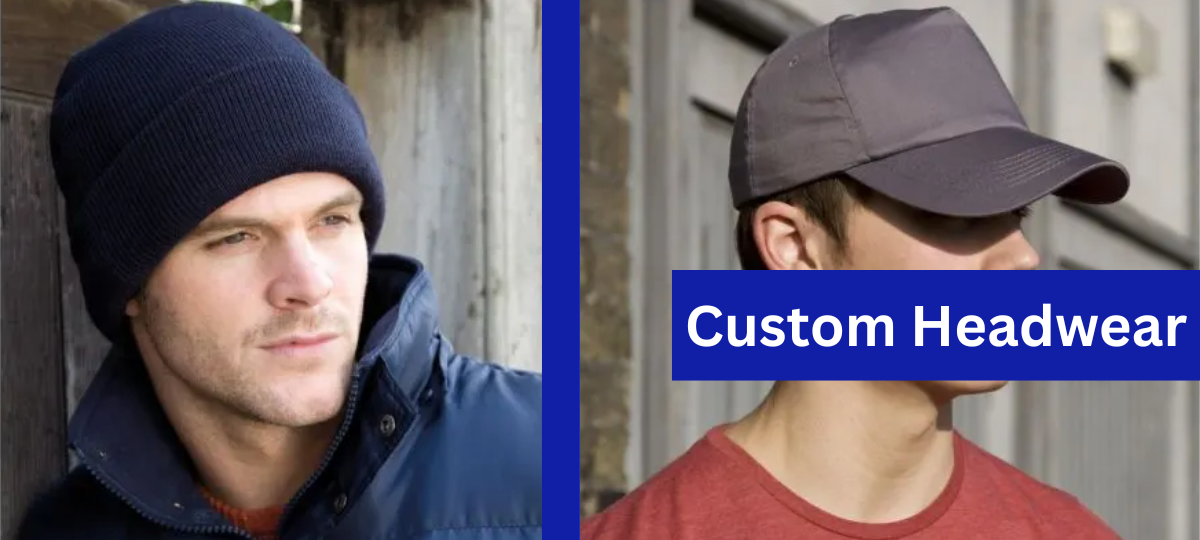
When building a uniform for your team, it is easy to focus entirely on the core layers - the polo shirts, trousers, and jackets, but don’t forget the custom headwear.
From keeping the Scottish sun at bay on a summer site visit, to making sure your team stay warm during long winter shifts, branded headwear is a crucial piece of gear, and it provides a great branding opportunity. Because it sits at eye level, a baseball cap, beanie, or Morf neckwarmer provides prime real estate for your logo.
Here is our guide to choosing the right headwear for your environment and selecting the best branding method to make your logo stand out.
1. The Classic Baseball Cap
The go-to choice for the spring and summer months. A structured baseball cap keeps sun and sweat out of your eyes while looking professional, and can be easily customised.
-
 June 02, 2026Read more
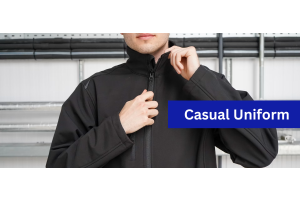
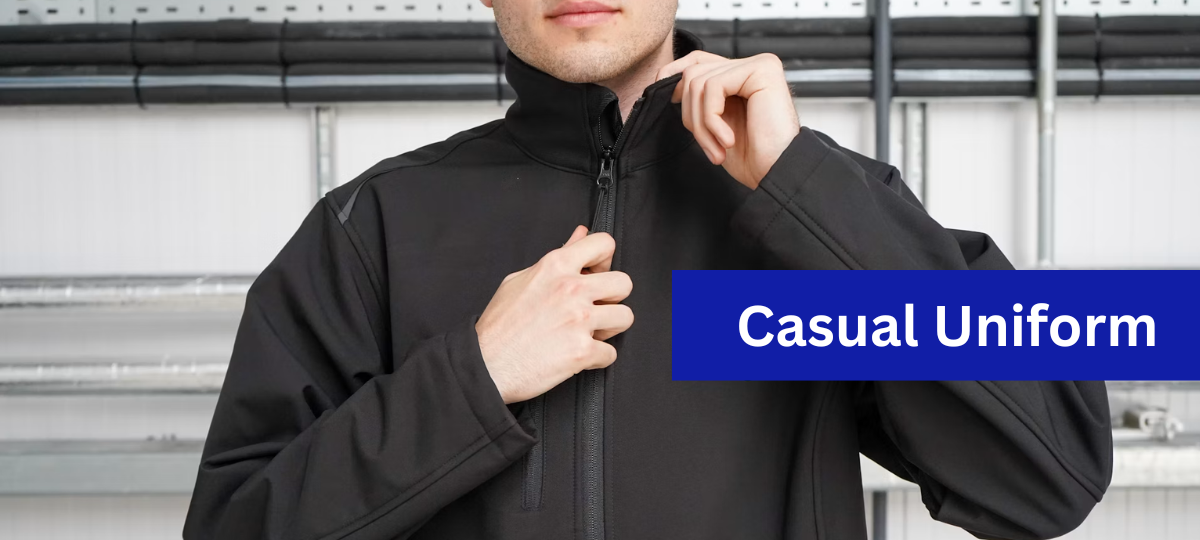
Since lockdown, we have been seeing that the traditional definition of the company uniform has changed. Strict corporate dress codes are increasingly taking a backseat to a more comfortable aesthetic. But how do you introduce casual pieces like t-shirts, hoodies, and fleeces to your team's uniform without things looking messy or unprofessional?
One solution is to create a balance between more relaxed fashion, with sharper corporate branding on well-fitting, premium garments. By choosing high-quality fabrics that wash well and keep their colour and shape, you can transform everyday leisurewear into a professional corporate look.
At Workline Safety, we believe that casual doesn’t have to mean unprofessional. Here is our guide to choosing and branding leisurewear for your team:
Four Essential Leisurewear Pieces
Building a versatile
-
 April 20, 2026Read more
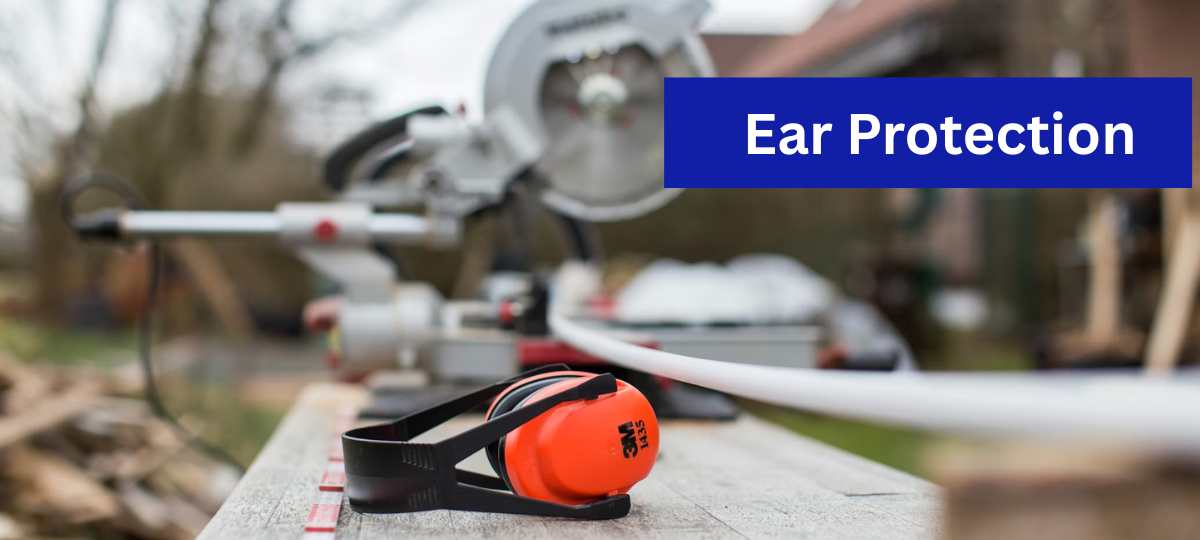
From construction sites to busy factory floors, noise is an unavoidable part of the job for many of us. However, hearing damage is often irreversible. That is why choosing the right ear protection isn’t just about compliance; it’s about long-term health.
At Workline Safety, we stock a wide range of Ear Protection, and we know that the "best" choice depends on your environment, your comfort, and how often you need to take them on and off.
Here is our guide to Ear Defenders vs. Ear Plugs, and how to decide between reusable and disposable options.
1. Ear Defenders
Ear defenders are the titans of hearing protection. They consist of two cups filled with sound-attenuating material that seal around the outer
-
 March 09, 2026Read more
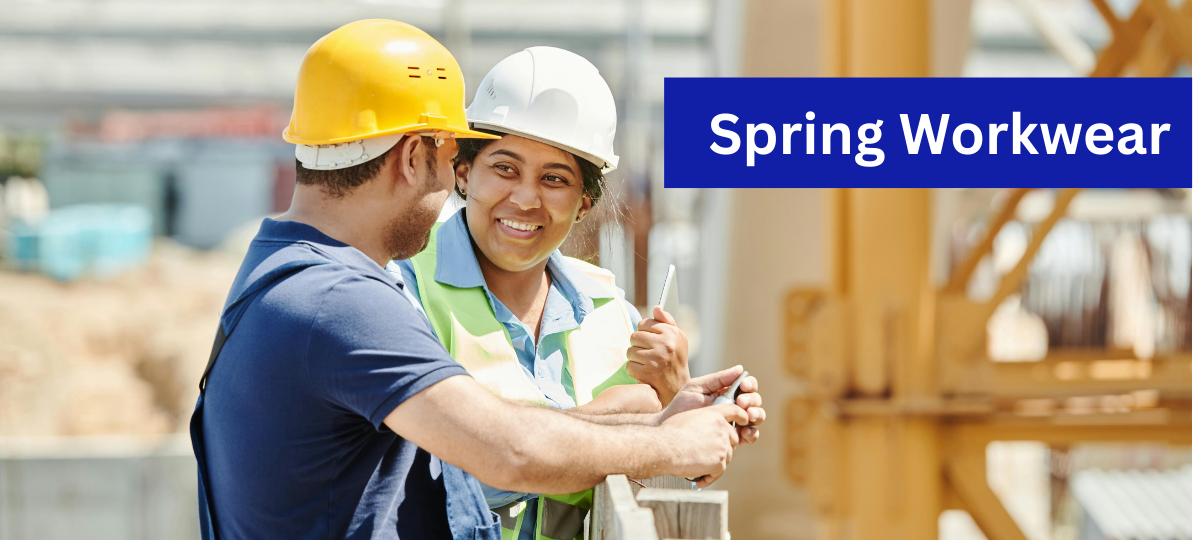
We’ve made it! The sun won’t set before 6pm until October, and the temperature is finally hitting double digits – Spring is on its way! But, transitioning from winter to spring in the UK isn’t easy. One minute you’re in bright sunshine, the next you’re dodging a shower.
At Workline Safety, we have a collection of Spring workwear designed to handle the "in-between" weather while keeping you professional, comfortable, and safe on-site. Here is our guide to the essential spring workwear you need this season:
1. Bodywarmers & Gilets
When it’s too warm for a heavy parka but too cold for just a t-shirt, a gilet or bodywarmer keeps your core warm while allowing freedom of movement for your arms.
- Our Top Pick: The Castle
-
 November 16, 2025Read more
In any business, controlling costs is crucial, and it can be tempting to opt for low-priced supplies whenever you can. However, there are some things you don’t want to scrimp on. Cutting corners with PPE can be one area that is a ‘false economy’. It can end up costing far more in the long run through accidents, lost time, and even legal action.
At Workline Safety, we help businesses balance cost and compliance. Here are the four essential categories of PPE where you should always invest in certified quality, rather than settling for cheap imports.
1. Respiratory Protective Equipment (RPE)
Dust, fumes, vapours, and airborne particles can cause immediate illness and long-term, irreversible damage like silicosis or COPD. If a mask fails, the wearer inhales hazardous substances directly into
-
 October 05, 2025Read more
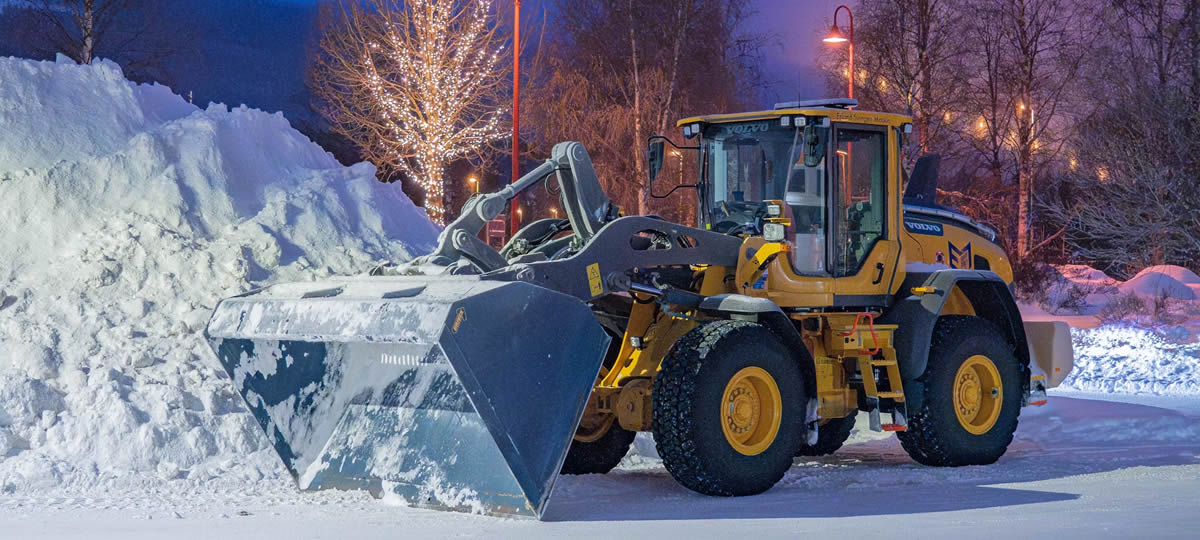
It’s that time of year again when working outdoors or in unheated environments starts to get less than comfortable! Winter doesn’t just mean a less pleasant working environment; it can significantly increase the risk of cold-related injuries, accidents, and a drop in productivity.
Good workwear isn't just about comfort; it's about compliance and safety, and that means different things in a UK winter. To try and help, we’ve pulled together a short guide on choosing the correct winter workwear to stay warm, stay dry, and stay safe.
1. Don’t Underestimate Layers
The biggest mistake you can make in winter is wearing a single, bulky layer. We suggest you try the three-layer system. This is a strategy that traps heat and allows for easy temperature regulation when the hard work starts. The three layers are:
- Base Layer
This layer sits directly against your skin and is designed to wick sweat away from the body. Dry skin
- Base Layer
-
 September 02, 2025Read more
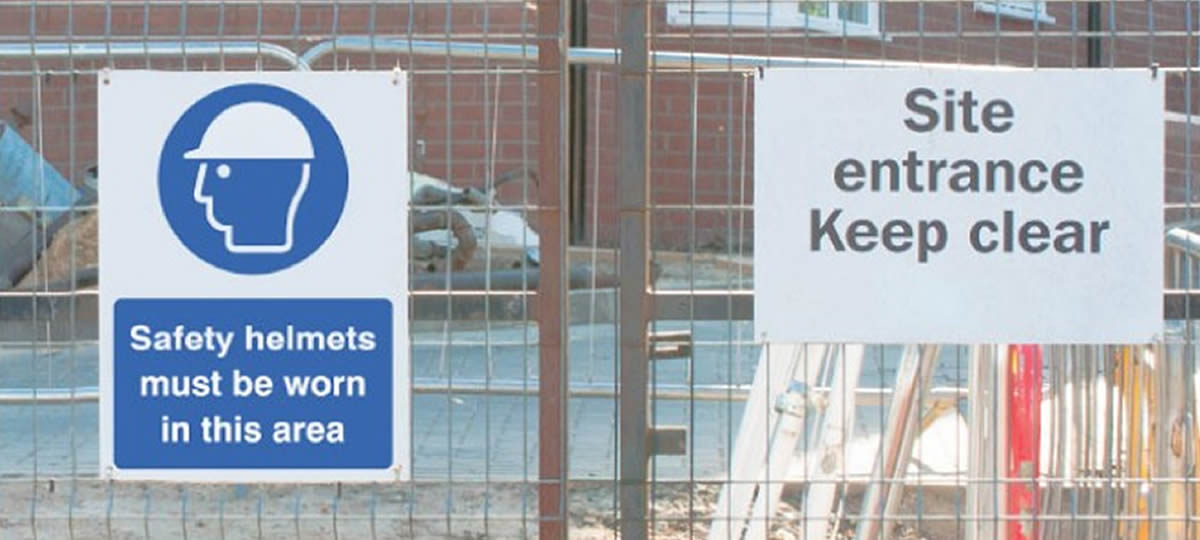
When you think about workplace safety, you likely picture hard hats, high-visibility jackets, and sturdy safety boots – and if you are one of our customers, you know we have plenty of all of them! PPE is critical, but there's another layer of protection that is just as essential: safety signs.
Safety signs communicate information instantly and effectively to prevent accidents before they have a chance to occur.
The Legal and Practical Importance of Signs
In the UK, the use of safety signs is a legal requirement under the Health and Safety (Safety Signs and Signals) Regulations 1996. This legislation mandates that employers use safety signs to warn of a hazard or to give a safety instruction where the risk cannot be eliminated or controlled by other means.
Beyond legal compliance, a clearly marked environment:
- Reduces Accidents
By highlighting potential dangers like a "wet floor" or "high voltage",
- Reduces Accidents